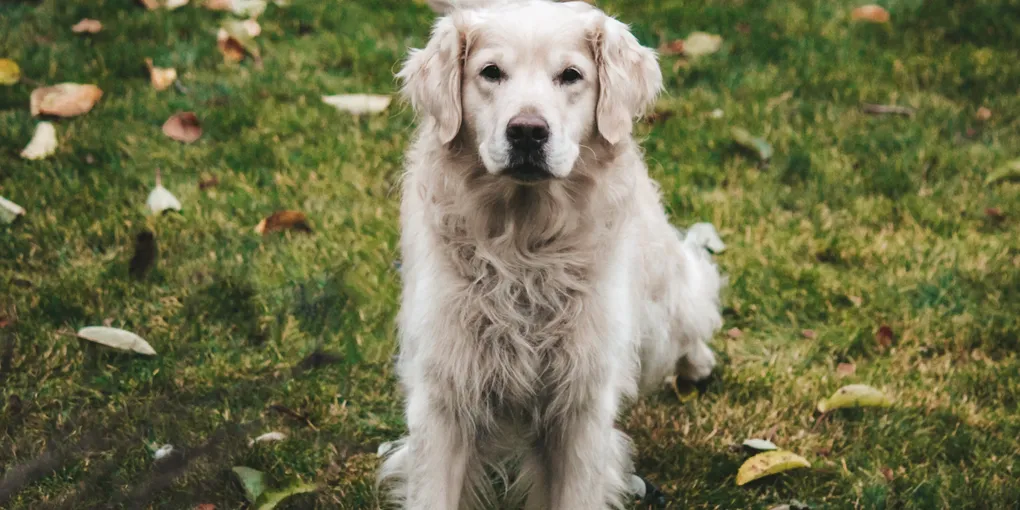
How to Get Skunk Smell Off a Dog Fast (The 3-Minute Formula That Actually Works)
Luna got sprayed at 11pm on a Tuesday. Tomato juice is a myth. Here's the chemistry-based formula that removed the smell in one wash, and everything I learned the hard way.

11:07pm, Tuesday. Luna runs to the back door. I open it. She races into the yard toward what I think is a squirrel. It is not a squirrel.
What follows is 20 seconds of chaos, a high-pitched yelp, and a 70-pound golden retriever streaking back into my kitchen wearing the single worst smell a human being is capable of perceiving.
11:09pm: I Google “tomato juice skunk.” I drive to the 24-hour grocery. I buy $40 of V8.
11:35pm: The tomato juice does nothing. Luna smells like a tomato skunk. My kitchen smells like the gates of a bad place. My wife is not speaking to me.
11:47pm: I find the actual formula. I mix it. It works in one wash.
This is that formula. Save it. You will need it someday.
Did You Know?
Skunk spray contains thiols, the same family of sulfur compounds used to make natural gas smell dangerous. That's why skunk smell can be detected at 10 parts per billion by the human nose. You're not imagining it. It really is that strong.
The 3-minute chemistry of why nothing else works
Skunk spray is mostly thiols. Thiols are sulfur-hydrogen compounds that bind hard to hair proteins. Water doesn’t dissolve them. Regular shampoo doesn’t dissolve them. Tomato juice just adds an acid that changes your perception of the smell for about 20 minutes.
To actually remove skunk smell, you need to oxidize the thiols. Chemically change them into odorless compounds. Hydrogen peroxide does this. Baking soda boosts the reaction. Dish soap cuts the oily base the thiols are suspended in.
That’s the whole trick. Chemistry, not folk remedies.
The formula (write this on your fridge)
For a medium-to-large dog (40-80 lbs):
- 1 quart (32 oz) of 3% hydrogen peroxide, the cheap brown bottle from any pharmacy
- ¼ cup baking soda
- 1 teaspoon of Dawn dish soap (original blue, unscented)
For smaller dogs, halve everything. For huge dogs (Tank-sized or bigger) you may need 1.5x.
Mix in an open bowl or bucket. Never store this in a sealed bottle. The reaction produces oxygen gas and can pop the lid.
Step-by-step wash
-
Keep your dog outside if possible. Getting them into a wet bathtub first will spread the oils to every surface they touch. I had to clean my bathroom wall for two weeks.
-
Apply the formula to a DRY dog. This is counterintuitive but critical. Wetting them first dilutes the solution and activates the thiols again. Put on gloves, pour the mixture into your hand, and work it into the coat.
-
Pay attention to the face, neck, and chest. These are 90% of direct sprays. Skunks aim up at the face. Be careful around eyes and mouth, do not let the solution get into either. I use a damp washcloth to gently spot-clean around Luna’s muzzle.
-
Leave it in for 5 minutes. Set a timer. The reaction needs time to happen. Any less and you’ll still smell skunk after drying.
-
Rinse thoroughly with warm water. I mean thoroughly. Any residue left in the coat can mildly irritate skin.
-
Follow with a regular dog shampoo. This removes the peroxide residue and restores coat pH. Skip this step and your dog’s skin can get dry and itchy.
-
Air dry or towel dry. Hair dryers release steam that can briefly reactivate any remaining thiols. Let them dry naturally.
"After the wash, Luna smelled like wet golden retriever, which is the second-worst dog smell, but it's a vast improvement on the first-worst dog smell."
— Luna's Dad
What NOT to do
- Do not use tomato juice. It masks, it doesn’t remove. Waste of $40.
- Do not use vinegar. Same reason, masks only.
- Do not use commercial “skunk” shampoos at the pet store. Most are watered-down peroxide-baking soda mixes at 3-4x the price. Make your own and save $15.
- Do not store the leftover mixture. Use it fresh. Throw away any leftovers.
- Do not let the solution sit on your dog for more than 10 minutes. At 3% peroxide this is very low risk, but longer contact can mildly bleach light-colored fur and dry out skin.
- Do not wash their eyes or mouth. If your dog got sprayed directly in the face, flush eyes with saline solution or plain water for 10-15 minutes, and call your vet, direct eye spray can cause temporary corneal irritation.
What to have on hand BEFORE it happens
If you live anywhere with skunks (most of the US does), this is your emergency kit:
- Four 32oz bottles of 3% hydrogen peroxide in a cabinet. Peroxide loses potency over time, so rotate yearly. Also useful for cleaning wounds.
- A large box of baking soda. Also great for deodorizing your car, fridge, and the dog bed Rex destroyed.
- Dawn dish soap. Original blue. Already in your kitchen, probably.
- A pair of nitrile gloves. The smell gets on your hands and stays for days.
- A rubber grooming mitt for working the solution into thick coats.
- Old towels dedicated to dog bathing. Never use your good towels for this. Trust me.
Total cost of the emergency kit: about $40. Cost of a pet groomer’s emergency skunk visit: $80-150, usually not available at 11pm on a Tuesday.
The aftermath: cleaning your house
Even if you caught the dog before they came inside, the smell hangs in the air for days. Here’s what worked:
- Open every window for 2-3 days. Air exchange is the single best thing.
- Wash every fabric the dog touched. Bedding, throw rugs, the couch cover. Use hot water + an extra scoop of baking soda.
- Bowls of baking soda in corners of affected rooms. Leave for 48 hours. Absorbs thiols from the air.
- Don’t light candles or spray air freshener immediately. It just adds a layer of fake-smell to the bad smell, which is worse than either alone.
Did You Know?
The [classic 'skunk deodorizer' formula](https://www.humanesociety.org/resources/skunk-odor-removal) was developed by chemist Paul Krebaum in 1993 when his lab animals kept getting skunked. He initially refused to patent it so it would be freely available to anyone whose dog had a bad night. The internet owes him.
When to call the vet
Most skunk incidents are just a smell problem. But call a vet if:
- Your dog was sprayed directly in the eyes, possible corneal irritation
- Your dog is drooling excessively, vomiting, or seems off 30-60 minutes after the spray. Rare, but skunk spray can cause anemia in very small breeds if ingested
- Your dog has open wounds or skin breaks that came into contact with the spray
- You suspect a bite from the skunk (rabies risk), any skunk that got close enough to spray is close enough to bite
For the other 98% of cases, the formula above and a lot of warm water will get your dog back to normal.
Related reading
Since you’re here, you might want:
- How to bathe a dog at home without a fight, general bath mechanics
- Best pet stain and odor removers: for the aftermath inside your house
- Dog paw care winter and summer guide, because something spooked them enough to chase a skunk, which usually means they were outside too long unsupervised
Save the recipe. Buy the peroxide. Stock the baking soda. You’ll thank me at 11pm on some Tuesday.
Frequently Asked Questions
The real questions I get from other dog dads.
Does tomato juice really get skunk smell out of a dog?
What's the exact skunk de-odorize recipe?
Will hydrogen peroxide bleach my dog's fur?
Can I use this on a puppy?
Why does the smell come back when my dog gets wet?
Sunday letter
One honest review. Every Sunday.
Plus the occasional photo of Rex destroying something he wasn't supposed to. About 400 words. Skip a week and I'll understand.
Disclosure: The Dog Dad Guide is a participant in the Amazon Services LLC Associates Program, an affiliate advertising program designed to provide a means for sites to earn advertising fees by advertising and linking to Amazon.com. As an Amazon Associate we earn from qualifying purchases, at no extra cost to you.
More Grooming Guides
German Shepherd Shedding: How I Actually Cut Rex's Hair Loss by 80% (No Magic Tools, Just System)
German Shepherds shed twice a year. The other 363 days they also shed. After three years with Rex, here's the brushing, bathing, and food system that genuinely controls it.
FURminator vs Undercoat Rake: Which One Actually Stops the Shedding?
Both promise to end shedding. Both cost about the same. I tested both on Rex and Luna for 6 months. Here's which one actually works, and why most people pick wrong.
Why Does My Dog Still Smell Bad After a Bath? (7 Real Causes, Ranked)
Luna smelled like wet sock 2 hours after every bath for a full year. It wasn't the shampoo. Here are the 7 real causes of persistent dog smell, and the one most people miss.