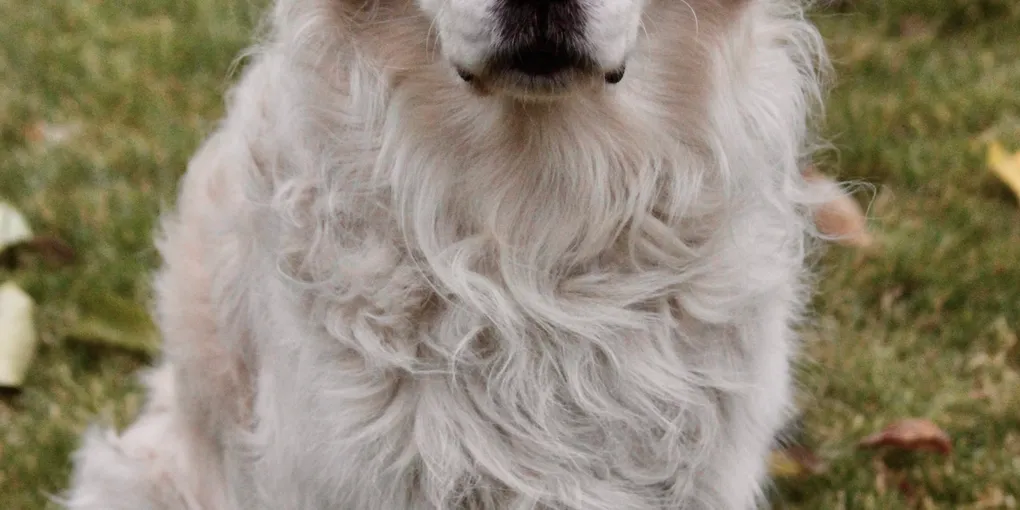
How Often Should You Actually Bathe a Golden Retriever? (By Season, By Vet, By Luna)
Every site says 'every 6-8 weeks' but that's wrong for half the year. Here's the real schedule based on Luna's double coat, our vet's advice, and 7 years of testing.

Luna is the cleanest dog in our house. She’s also the one who smells the fastest. Here’s the paradox of owning a Golden Retriever: the breed is famous for being friendly and beautiful, but nobody warns you that their gorgeous coat is basically a sponge for every bad smell in a 50-mile radius.
And yet, bathing her too often made everything worse. Her skin got flaky, her coat got dull, and she started shedding more instead of less.
It took me three years to figure out the real bathing schedule for a double-coated dog. It’s not the “every 6 weeks” you’ll read on every other site. It varies by season, activity, and what the dog has been rolling in. Here’s the actual system that works.
Did You Know?
A healthy golden retriever coat is self-cleaning. The guard hairs are coated with sebum (natural oils) that repel water and dirt. That's why Luna can come out of a muddy puddle and look almost clean after shaking. Over-bathing destroys this natural protection.
The actual schedule (by season)
After 7 years and testing every brand under the sun, here’s what Luna’s bath calendar looks like:
Spring (March-May): every 4-5 weeks
Spring is when goldens blow their coat, massive shedding as they transition from winter undercoat to summer. A bath loosens dead hair dramatically and makes the subsequent brushing 10x more effective. Pair with an undercoat rake.
Summer (June-August): every 4-5 weeks
Swimming and heat mean more natural “rinsing” but also more opportunities to pick up pond water, grass allergens, and bacteria. Aim for 4-5 weeks, or sooner if they’ve been in a lake more than twice.
Fall (September-November): every 6-7 weeks
Dropping humidity means skin dries out faster. Back off on bath frequency. This is when I switched Luna from a gentle-cleaning shampoo to an oatmeal moisturizing formula.
Winter (December-February): every 7-8 weeks
Indoor heating is brutal on dog skin. Every bath in winter removes oils that the skin needs to stay healthy. I stretched Luna to 8 weeks in winter and her flaking completely disappeared.
Why “every 6 weeks” is wrong
Pet websites and groomers love the “every 6 weeks” rule because it’s easy to remember and fits their booking schedule. But goldens are active-by-season dogs, and their skin/coat needs change.
The signs you’re bathing too often:
- Dandruff or flaky skin. This is the clearest one. Healthy goldens rarely flake. If yours does, space out baths.
- Increased shedding 2-3 days after bath. Paradoxical but real. Over-washing triggers the skin to shed more aggressively as a stress response.
- Dry, brittle coat. Healthy guard hairs should be smooth and slightly oily-feeling. Dry straw = too many baths.
- Itching 24-48 hours post-bath. pH disruption. Your shampoo might be wrong, or you’re bathing too often.
Signs you’re NOT bathing enough:
- “Wet dog smell” even when dry (this is yeast/bacteria, not dirt)
- Greasy feel to the coat
- Visible dirt at the skin line
- Ear infections (yeast loves warm, moist, dirty fur)
The pre-bath prep (this is where most people fail)
The bath itself is only 30% of the work. Prep matters more.
15 minutes before:
- Full brush-out. Use a slicker brush on the body, undercoat rake on the thick areas (butt, chest, tail). Any mat now becomes a worse mat when wet.
- Check paws. Trim nails if needed (a quiet nail grinder is gentler than clippers). Pick out debris from pad pockets.
- Cotton balls in the ears. Water in a golden’s ear canal = ear infection 48 hours later. Put one cotton ball in each ear, loosely. Pull them out after the bath.
"Luna has opinions about ear cotton balls. Her opinion is: 'I will allow this, barely, but I am going to stare at you the entire time.'"
— Luna's Dad
The bath itself
- Warm water, not hot. Dog skin is more sensitive than ours. Test with your wrist. Should be barely warm.
- Wet the body first, not the head. Head-first triggers the shake reflex, and you’ll be soaked before you start. Start at the shoulders and work back.
- Apply shampoo in sections. Neck and chest first, then back, then belly, then legs, then butt/tail. Head last, and avoid eyes/mouth.
- Massage for 5 minutes. This is where most people rush. The shampoo needs contact time to break down oils and dirt. Work it deep into the undercoat, not just the surface.
- Rinse THOROUGHLY. Rinse, then rinse again. Shampoo residue is the #1 cause of post-bath itching. Rinse until the water runs completely clear, then rinse for another 2 minutes. I’m serious.
- Optional: a conditioner for long coats. For Luna’s feathering (the long hair on the tail, legs, and butt), a dog conditioner prevents tangles. Leave in for 2 minutes, rinse.
Drying: the step everyone gets wrong
A golden’s double coat traps moisture. If you air-dry, the undercoat stays damp for hours, which creates the perfect environment for yeast and hot spots.
The right sequence:
- Towel dry aggressively. Microfiber drying towels absorb 3x more water than cotton. Press, don’t rub (rubbing creates tangles).
- Pet dryer on cool/low. A high-velocity pet dryer actually blows water out of the coat instead of just heating it. You can buy a budget version for $60 and save hundreds in professional grooming bills. 15 minutes and Luna is 90% dry.
- Final brush-out while slightly damp. This is when the coat sets best. You’ll pull out another cup of loose fur, this is normal and good.
Special situations
After swimming
A rinse isn’t a bath. If Luna swims in a clean lake, I rinse with plain water when we get home. No shampoo. Chlorinated pool water, salt water, and dirty ponds get a quick diluted-shampoo wash. Either way, always dry the ears.
After rolling in something horrible
Spot-clean the area with a damp cloth and a dab of gentle dog shampoo. No need for a full bath unless the situation is dire. Save the full baths for the schedule above.
After a skunk incident
Full emergency protocol. I wrote the skunk removal guide after Luna got sprayed, read it before you need it.
Medical baths
If your vet prescribes a medicated shampoo (chlorhexidine, ketoconazole), follow THEIR schedule, not the seasonal one above. Medicated baths don’t strip oils the same way and are often prescribed weekly for short periods.
Shopping list for a proper golden bath setup
Everything I actually use on Luna:
- Oatmeal dog shampoo, gentle, no sulfates, works for weekly use if needed.
- Dog conditioner for long coats, optional but makes feathering way easier.
- Handheld shower sprayer attachment. Clips to any faucet, cuts bath time in half.
- Microfiber drying towels, get three. You’ll use three.
- High-velocity pet dryer. One-time $60-80 investment, saves $40-70 per groomer visit forever.
- Slicker brush + undercoat rake, I cover these in detail in my deshedding brush review.
One last truth
The single biggest improvement to how your golden looks and smells is not more baths. It’s better brushing between baths. A 10-minute brush-out twice a week removes more dead hair, dirt, and oil than any shampoo can. Luna gets brushed on Mondays and Thursdays, no exceptions. That’s why she can go 8 weeks between winter baths and still look camera-ready.
Bathing is maintenance. Brushing is the actual job.
Related reading while you’re here:
- Best deshedding brushes for dogs, the tools that matter between baths
- How to bathe a dog at home without a fight, full mechanics of the bath itself
- Dog paw care in winter and summer: because paws need a separate schedule
Frequently Asked Questions
The real questions I get from other dog dads.
How often should I bathe my golden retriever?
Can I bathe my golden retriever too often?
What shampoo is best for goldens?
Do I need to brush my golden BEFORE the bath?
Should I dry my golden or let them air dry?
Sunday letter
One honest review. Every Sunday.
Plus the occasional photo of Rex destroying something he wasn't supposed to. About 400 words. Skip a week and I'll understand.
Disclosure: The Dog Dad Guide is a participant in the Amazon Services LLC Associates Program, an affiliate advertising program designed to provide a means for sites to earn advertising fees by advertising and linking to Amazon.com. As an Amazon Associate we earn from qualifying purchases, at no extra cost to you.
More Grooming Guides
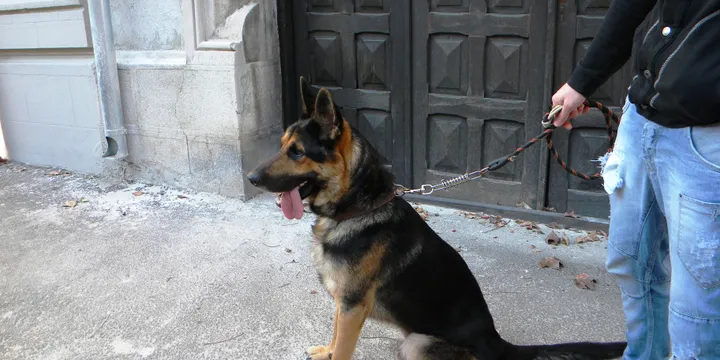
German Shepherd Shedding: How I Actually Cut Rex's Hair Loss by 80% (No Magic Tools, Just System)
German Shepherds shed twice a year. The other 363 days they also shed. After three years with Rex, here's the brushing, bathing, and food system that genuinely controls it.
FURminator vs Undercoat Rake: Which One Actually Stops the Shedding?
Both promise to end shedding. Both cost about the same. I tested both on Rex and Luna for 6 months. Here's which one actually works, and why most people pick wrong.
Why Does My Dog Still Smell Bad After a Bath? (7 Real Causes, Ranked)
Luna smelled like wet sock 2 hours after every bath for a full year. It wasn't the shampoo. Here are the 7 real causes of persistent dog smell, and the one most people miss.