Why Does My Dog Still Smell Bad After a Bath? (7 Real Causes, Ranked)
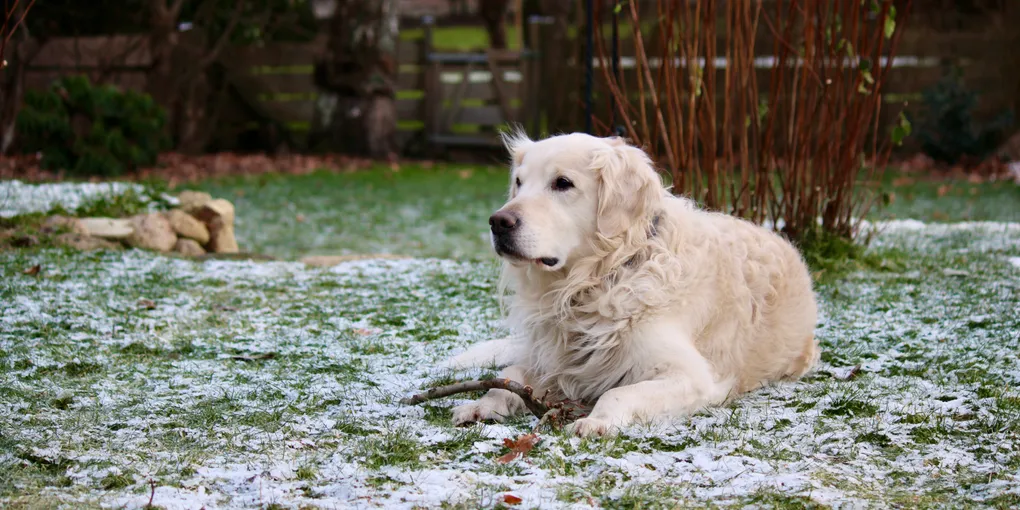
Luna smelled like wet sock 2 hours after every bath for a full year. It wasn't the shampoo. Here are the 7 real causes of persistent dog smell, and the one most people miss.

Luna smelled like a wet sock that had been used to mop up a fish market. Every single bath, within 2-3 hours, the smell would creep back. Stronger than before the bath somehow.
I blamed the shampoo. Changed shampoos four times. Didn’t help.
I bathed her more often. Made it way worse.
I bought a $200 air purifier. Air purifier has opinions about dog.
Finally, at a vet appointment for something unrelated, the tech did a routine ear check and said “oh, she has a yeast infection in both ears, that’s probably why she smells.” Two weeks of ear cleaner later, Luna smelled like a regular dog.
If your dog smells bad and bathing isn’t fixing it, the smell is coming from somewhere besides the fur. Here are the 7 real causes, ranked by how often I’ve seen them.
Did You Know?
A healthy dog's 'dog smell' is produced by a specific bacterial community on the skin. Different breeds and individual dogs have measurably different microbiomes, which is why some dogs seem to naturally smell stronger than others even when equally clean. Excessive bathing can disrupt this microbiome and paradoxically make odor worse.
1. Yeast or bacterial infection in the ears
This is the most common cause of persistent dog smell, and almost everyone misses it.
Signs:
- Dark brown or yellowish gunk in the ear
- A sweet, musty, or bread-like smell from the ears specifically
- Head shaking or scratching
- The smell returns within hours of a bath
Fix:
- Ear cleaner with antifungal / antiseptic, weekly for 4 weeks, then monthly maintenance
- If there’s visible infection (redness, pus, extreme odor), see a vet. They’ll likely prescribe medicated ear drops.
Smell the ears specifically. If they smell off, the rest of the dog will smell off no matter how much you bathe them.
2. Wet undercoat (the drying problem)
Double-coated breeds like Goldens, Huskies, German Shepherds, and Labs have a dense undercoat that takes hours to fully dry. During those hours, bacteria bloom and produce the classic “wet dog” smell.
Signs:
- Smell is worst within 3-6 hours of a bath
- Fades gradually over 1-2 days
- Happens only after baths, not between them
Fix:
- Aggressive towel drying with microfiber dog drying towels. They absorb 3x more water than cotton
- Low-heat pet dryer for 10-15 minutes. high-velocity pet dryers blow water out of the coat instead of just heating it
- Never use a human hair dryer on high heat. Can burn skin
- Thorough brush-out while damp so air reaches the undercoat
For my full drying protocol for Luna, see my golden retriever bathing guide.
3. Anal glands (the fishy smell)
Dogs have two small scent glands on either side of their anus. They’re supposed to empty naturally during bowel movements. When they don’t, they fill up and start leaking, producing a distinct, strong fishy smell that won’t wash off because it’s not on the fur, it’s coming from the glands themselves.
Signs:
- Fishy, rotten, or musty smell near the rear
- Scooting across the floor
- Licking or chewing at the rear
- Smell persists regardless of bathing
Fix:
- Manual expression by groomer or vet ($15-30 at most groomers)
- Add high-fiber dog food or pumpkin to help firm up stools (firm stools express glands naturally)
- If recurring every few weeks, see the vet about potential surgical removal
For full details, see my companion post on scooting and rear issues.
"Tank's first anal gland incident happened in my car. We drove home in silence, me breathing through a t-shirt pulled over my nose, Tank sitting calmly in the back looking extremely refreshed. I learned that day that anal gland smell is a concentrated evil no bath can touch."
— Tank's Dad
4. Skin infection or hot spots
Bacterial or yeast skin infections create persistent smell that shampoo can’t reach because the bacteria are in deeper skin layers.
Signs:
- Musty or yeasty smell
- Greasy-feeling coat even right after a bath
- Flaky or red patches
- Excessive scratching or chewing
Fix:
- Vet visit for confirmation (skin scrape, cytology)
- Medicated chlorhexidine shampoo prescribed by the vet
- For chronic allergic skin issues, see my German Shepherd itching guide
5. Dental disease
Bad breath isn’t just a mouth problem, severe dental disease produces an all-over smell that gets absorbed into fur and bedding.
Signs:
- Breath that smells like rot or infection, not just “dog food”
- Yellow/brown tartar visible on teeth
- Red/bleeding gums
- Head and body smell has an underlying sweet-rotten note
Fix:
- Daily tooth brushing with enzymatic dog toothpaste
- Professional dental cleaning (under anesthesia) if significant tartar exists
- See my full dog dental care guide for the system
6. Diet
A poor-quality diet produces smellier poop, gas, skin oils, and breath. It takes 4-8 weeks to clear after switching to a better food.
Signs:
- Generally smelly gas, stools, AND fur
- Greasy-feeling coat
- Dandruff or flaking
- Dry or dull coat
Fix:
- Check the first 5 ingredients of your dog’s food. Real meat first, named grains, no unspecified “meat byproducts” or “animal fat”
- For specific diet recommendations, see my senior dachshund food guide (principles apply to any age)
- Add omega-3 fish oil to improve skin and coat quality
- Give it 8 weeks. Coat quality lags diet changes
7. Flatulence (true chronic gas)
Some dogs are just windy. Certain breeds (Bulldogs, Boxers, Pugs) swallow more air while eating. Others have food intolerances that create gas.
Signs:
- Room-clearing gas regularly
- Smell most noticeable in enclosed spaces (car, bedroom)
- Dog seems otherwise healthy
Fix:
- Slow feeder bowl to reduce swallowed air (see my slow feeder review)
- Eliminate common gas triggers: dairy, excessive fat, beans, cabbage-family veggies
- Add dog probiotic supplement. Gut flora improvements show within 2-3 weeks
- Try a food with a different protein source if the gas is severe
The systematic approach
If your dog smells bad and you can’t pinpoint the cause, run through this checklist in order:
- Smell the ears. Infected? → vet / ear cleaner
- Smell the butt. Fishy? → anal glands
- Smell the breath. Rotten? → dental issue
- Check the skin. Flaky/red? → possible infection
- Dry properly after baths. Wet coat bacteria?
- Review the food. Low quality in → bad smell out
- Track the flatulence. Is it actually gas not body odor?
95% of persistent smell cases land in one of these seven categories. The fix is almost never “more baths.”
What actually works for “dog smell” long-term
After fixing the underlying cause, here’s what keeps Luna smelling acceptable:
- Weekly ear check and clean with gentle ear cleaner, 2 minutes, prevents 90% of future infections
- Daily tooth brushing. Takes 2 minutes, saves thousands
- Brushing between baths. Removes dead hair that traps oils and smell. See deshedding brushes
- Proper drying every bath. Pet dryer is a one-time investment
- Paw wipes after every walk, reduces “Frito feet” and tracked-in smell
- Wash bedding weekly. Dog beds hold more smell than the dog
- Quality diet, low-quality food = smelly everything
When to worry
Most smell issues are annoying but not dangerous. See a vet if you notice:
- Sudden, severe odor change (could indicate infection)
- Smell + lethargy, loss of appetite, or vomiting (systemic issue)
- Discharge from ears, eyes, or anywhere else
- Weight loss alongside persistent odor
- Smell that only one family member notices, you may have habituated; trust visitors’ reactions
The short version
If your dog smells bad:
- Don’t bathe them more. Likely making it worse
- Check ears, butt, mouth, and skin before blaming the coat
- Dry thoroughly after every bath
- Improve diet quality
- See a vet if the smell is persistent and localized (ears, rear, skin)
Related reading:
- How often should you bathe a golden retriever
- How to bathe a dog at home without a fight
- Best deshedding brushes for dogs
- Dog dental care and teeth cleaning
- Best pet stain and odor removers, for when the smell has spread to your house
Frequently Asked Questions
The real questions I get from other dog dads.
Why does my dog smell bad right after a bath?
Can I use human shampoo on my dog in a pinch?
What causes the 'corn chip' smell on dog paws?
Why does my dog smell like fish?
How often should I wash my dog to keep them smelling fresh?
Sunday letter
One honest review. Every Sunday.
Plus the occasional photo of Rex destroying something he wasn't supposed to. About 400 words. Skip a week and I'll understand.
Disclosure: The Dog Dad Guide is a participant in the Amazon Services LLC Associates Program, an affiliate advertising program designed to provide a means for sites to earn advertising fees by advertising and linking to Amazon.com. As an Amazon Associate we earn from qualifying purchases, at no extra cost to you.
More Grooming Guides
German Shepherd Shedding: How I Actually Cut Rex's Hair Loss by 80% (No Magic Tools, Just System)
German Shepherds shed twice a year. The other 363 days they also shed. After three years with Rex, here's the brushing, bathing, and food system that genuinely controls it.
FURminator vs Undercoat Rake: Which One Actually Stops the Shedding?
Both promise to end shedding. Both cost about the same. I tested both on Rex and Luna for 6 months. Here's which one actually works, and why most people pick wrong.
How Often Should You Actually Bathe a Golden Retriever? (By Season, By Vet, By Luna)
Every site says 'every 6-8 weeks' but that's wrong for half the year. Here's the real schedule based on Luna's double coat, our vet's advice, and 7 years of testing.