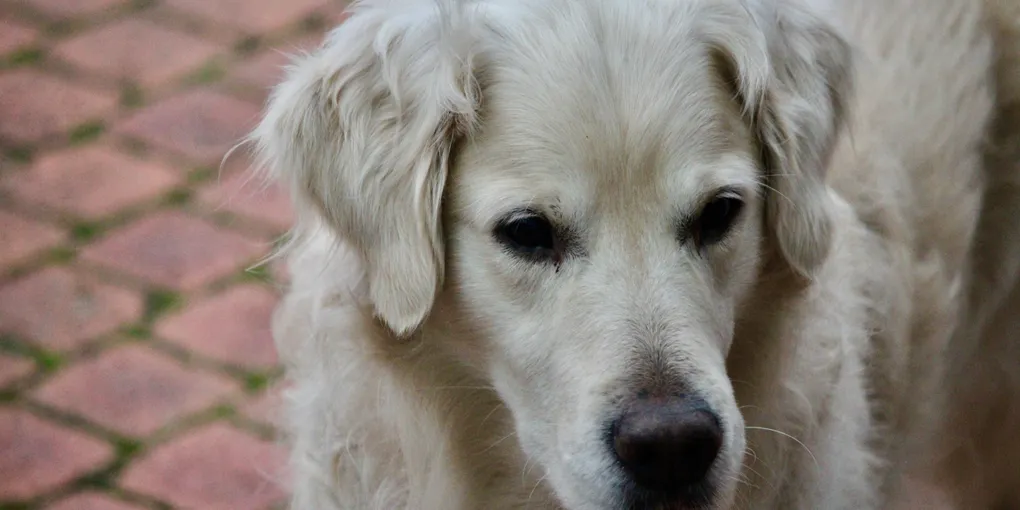
Why Does My Dog Scoot Their Butt on the Floor? (The 5 Real Causes)
Milo scoots, Tank has scooted, Luna has proudly scooted across a neighbor's living room. Here's the honest breakdown of what's actually causing it and when it needs a vet.

Milo’s scoot is a full-body commitment. He braces his front paws, plants his butt firmly on the carpet, and drags himself across 8 feet of living room with a facial expression of deep concentration and mild satisfaction. It is one of the most undignified things any being does on a regular basis, and he is not embarrassed about it at all.
He used to do it once a month. Then it became twice a week. Then every single day. By the time I finally dealt with it, he’d left a visible path of slightly-stained carpet along his preferred scoot route.
What I learned: scooting isn’t a quirk, it’s a symptom. And once you know the five real causes, it’s usually fixable within a week or two.
Here’s the honest breakdown.
Did You Know?
Dogs have two anal glands (technically anal sacs) that sit at roughly the 4 o'clock and 8 o'clock positions around the anus. They contain a fluid with a distinctive fishy smell used for territorial marking. In wild canids they empty naturally during stress and bowel movements. In domesticated dogs, especially small breeds like Dachshunds, they frequently don't, and that's where scooting comes in.
1. Full or impacted anal glands (the most common cause)
This is the answer about 70% of the time.
What’s happening: Anal glands are supposed to empty a small amount of fluid every time your dog poops. When stools are soft, or the gland openings narrow, the glands don’t empty and gradually fill up. Full glands are uncomfortable, impacted glands are painful.
Signs:
- Scooting, especially after pooping or when sitting
- Licking or biting at the rear
- Fishy or musty smell that won’t go away (even after a bath)
- Visible redness or swelling around the anus
- A distinct “egg” feeling next to the anus if you gently palpate (don’t do this unless you know what you’re doing)
Fix:
- Manual expression by a groomer ($15-30) or vet ($30-60). Takes 60 seconds. Immediate relief.
- Add fiber to the diet. This is the long-term fix, see the next section.
- For chronically impacted glands: your vet may discuss surgical gland removal (sacculectomy). Last resort, but effective.
Milo now gets his glands expressed every 4-6 weeks at the groomer. We pair it with fiber and it keeps him comfortable.
2. Dietary issues (loose stools or low fiber)
If your dog’s stools are consistently soft, their anal glands won’t empty naturally. Fixing the diet often fixes the scooting permanently.
Signs:
- Stools are soft, mushy, or loose
- Scooting is mostly post-poop
- Dog is otherwise healthy
Fix:
Add fiber. Options:
- 100% pure canned pumpkin puree (not pumpkin pie filling), 1-2 tablespoons for medium dogs, 1 teaspoon for small dogs, mixed into food daily
- Sweet potato. Steamed and mashed, 1-2 tablespoons
- Psyllium husk powder. 1/4 teaspoon per 10 lbs of body weight, mixed with water into food
- Probiotic supplements for dogs. Improves digestion and stool consistency
Try a fiber-forward food. Look for “gastrointestinal” or “digestive health” formulas, or foods with 4%+ crude fiber on the label.
Give any dietary change 2-3 weeks before judging. Stools usually firm up within 7-10 days.
"Milo's reaction to pumpkin the first time: suspicion. The second time: cautious approval. The tenth time: he now expects a spoonful at breakfast and stares me down until it appears."
— Milo's Dad
3. Parasites (worms or giardia)
Less common than anal gland issues, but a real cause. Especially in puppies, shelter/rescue dogs, and dogs who eat things they shouldn’t outdoors.
Signs:
- Scooting + visible worm segments (look like grains of rice) in stool or around the anus. Tapeworms
- Chronic diarrhea + scooting, giardia
- Weight loss despite normal appetite
- Dull coat
- Bloated belly
Fix:
- See a vet for a fecal exam. Cheap ($20-50) and definitive.
- Deworming meds for the specific parasite identified. Most are 1-3 doses and fully effective.
- Year-round flea and tick prevention (fleas transmit tapeworms)
4. Skin irritation or allergies in the rear area
The rear is actually a common allergy target in dogs with atopic dermatitis.
Signs:
- Red or irritated skin around the anus or under the tail
- Hot spots or sores in the rear area
- Scooting plus itching/chewing elsewhere on the body
- Worse in certain seasons (environmental allergies)
Fix:
- Gentle cleaning of the area with a dog-safe perineal wipe after each walk
- Medicated wipes with chlorhexidine for mild infections
- For chronic allergic issues, see my full German Shepherd itching guide, the principles apply to any allergic dog
5. Debris caught in fur (long-coated dogs)
For golden retrievers, shelties, poodles, and other long-coated breeds, sometimes the reason for the scoot is mechanical: stool or debris got caught in the fur around the rear and they’re trying to clean it.
Signs:
- Visible matted fur or debris near the anus
- Long-coated breed
- Scooting is occasional, not constant
- Otherwise healthy and acting normal
Fix:
- Regular “sanitary trim” with dog clippers, trimming the fur around the anus short (1/2 inch or less) prevents 99% of debris issues
- Brush thoroughly around the rear during regular grooming
- Check after bathroom breaks, especially for dogs with softer stools
A good groomer will do this automatically as part of standard grooming. Ask for a “sanitary trim” if they don’t.
When scooting is an emergency
Most scooting is annoying, not emergent. But see a vet immediately if:
- Blood or pus visible around the anus
- Extreme pain when sitting or pooping (whimpering, refusing to sit)
- Open wound or abscess near the anus (ruptured anal gland, needs antibiotics)
- Dog is lethargic, not eating, or vomiting alongside scooting
- Scooting with straining or inability to poop, possible blockage
Ruptured anal glands can become abscessed and infected quickly. If you see a red bump or open wound near the anus, don’t wait.
What doesn’t work (save your time)
- Bathing won’t fix anal gland problems. The issue isn’t on the fur, it’s inside the dog.
- Over-the-counter “anal gland supplements”. Most are just fiber in pill form. Just give them pumpkin. Cheaper.
- Doing nothing and hoping it resolves. Scooting persists until the underlying cause is addressed. It rarely “goes away on its own.”
- Expressing glands at home via YouTube. I mentioned this in the FAQ. Please don’t. It’s easier to mess up than you’d think, and groomers charge $15-30.
The weekly check I do now
Takes 30 seconds per dog:
- Lift the tail, look at the rear. Any redness, swelling, or visible gunk?
- Quick sniff. Strong fishy smell? Time for a gland expression.
- Check the poop during the walk. Firm and formed, or soft and mushy?
- Any scooting this week? Track the pattern.
If I catch issues early, Milo gets a groomer visit next week and problem solved. Ignore the signs for a month and we’re at the vet dealing with an abscess.
The diet that keeps Milo scoot-free
After a lot of trial and error, here’s what works for Milo specifically:
- Quality small-breed senior dry food (soaked, see senior dachshund food guide)
- 1 teaspoon of pure pumpkin mixed into breakfast and dinner
- Daily probiotic chew
- Plenty of water (he drinks from a pet water fountain to stay hydrated)
- Groomer gland expression every 5-6 weeks
Combined, this has dropped his scooting from daily to maybe once every 2-3 months. We’ll take it.
Related reading
- Why does my dog still smell bad after a bath, because scooting often comes with smell
- Best dog food for senior dachshunds with bad teeth: diet mechanics for sensitive digestion
- Best pet stain and odor removers: for cleaning up the evidence of scooting
- Dog dental care and teeth cleaning, not directly related, but preventive health is a theme
Scooting is a message from your dog. The good news: it’s a message with a small list of possible translations, and once you figure out which one, it’s fixable in 1-2 weeks.
Frequently Asked Questions
The real questions I get from other dog dads.
Why does my dog keep scooting their butt?
Do I need to take my dog to the vet for scooting?
Can I express my dog's anal glands myself at home?
Does adding fiber actually help anal glands?
My dog scoots after pooping. Is that different?
Sunday letter
One honest review. Every Sunday.
Plus the occasional photo of Rex destroying something he wasn't supposed to. About 400 words. Skip a week and I'll understand.
Disclosure: The Dog Dad Guide is a participant in the Amazon Services LLC Associates Program, an affiliate advertising program designed to provide a means for sites to earn advertising fees by advertising and linking to Amazon.com. As an Amazon Associate we earn from qualifying purchases, at no extra cost to you.
More Health & Wellness Guides
When Do Puppies Calm Down? The Honest Timeline (Breed by Breed)
Spoiler: not as early as you'd hope. Here's the real age-by-age timeline of when puppies actually mellow out, what changes when, and the trick that makes the wild months easier.
Dachshund Back Problems: How to Prevent IVDD (and What to Do If It Happens)
1 in 4 Dachshunds develops IVDD. Milo is 11 and still mobile because of these rules. Here's the full prevention protocol, plus the warning signs every Dachshund owner needs to know.
Border Collie Training: The 12 Things That Actually Worked (and Five That Didn't)
Border Collies aren't dogs. They're four-legged employees with a job description you have to write. Here's the training approach that works for the smartest breed alive.