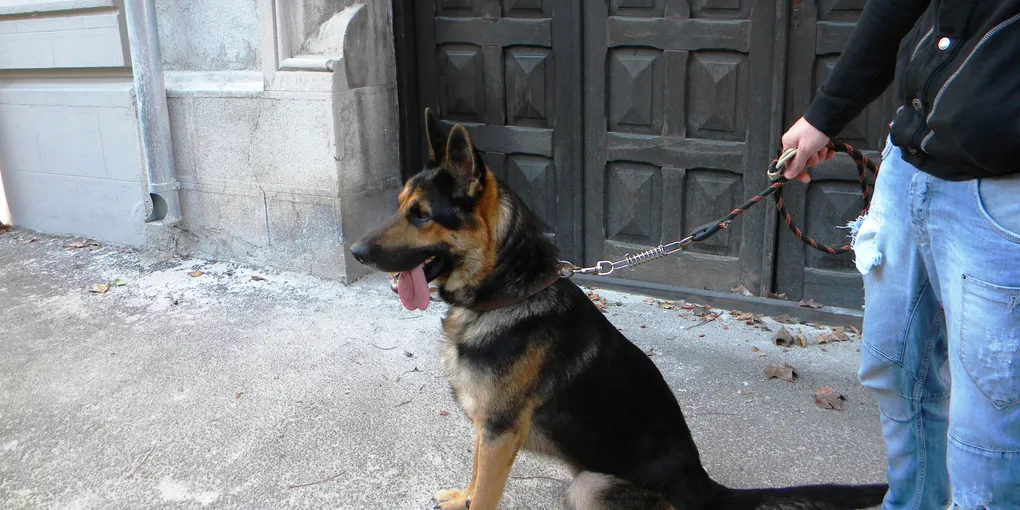
German Shepherd Shedding: How I Actually Cut Rex's Hair Loss by 80% (No Magic Tools, Just System)
German Shepherds shed twice a year. The other 363 days they also shed. After three years with Rex, here's the brushing, bathing, and food system that genuinely controls it.

Rex is my 85-pound German Shepherd. He sheds.
He sheds when he’s hot. He sheds when he’s cold. He sheds when he’s excited, anxious, sleepy, or thinking about food. He sheds in his sleep. There is a small mountain of Rex on every dark surface in our house at any given time.
Three years in, I’ve finally gotten his shedding to a manageable level. Not zero, that’s a lie any product makes. Manageable, meaning I vacuum twice a week instead of twice a day. Here’s the system.
Why German Shepherds shed so much
German Shepherds have a double coat, which is two coats of hair growing from the same follicle:
Topcoat (guard hairs): longer, coarser, weather-resistant. Sheds gradually year-round.
Undercoat: short, dense, soft. Functions as insulation. Sheds gradually year-round AND blows out completely twice a year during seasonal changes (spring and fall).
The double coat is the genius of the breed. It keeps them warm in winter and cool in summer because trapped air between the layers regulates temperature. The downside: you live inside a permanent gentle hair snowstorm.
The two-tool brushing system
Most people brush their GSD wrong. They use a single slicker brush and barely touch the surface. The shedding never improves. They give up. They blame the dog.
The real method uses two tools sequentially:
Step 1: Undercoat rake (3-5 minutes)
A long-toothed metal rake designed to penetrate down to the undercoat layer. You’re not brushing the surface, you’re combing through the dense layer below.
Browse: undercoat rakes for double-coated dogs
How: long, slow strokes with the grain of the fur. Press firmly enough to feel the rake reach the skin without scraping. Work in sections (one shoulder, then the other, then the back, then the chest).
You’ll pull out enormous amounts of dead undercoat. This is good. The fur that comes out now is fur that won’t be on your couch later.
Step 2: FURminator-style deshedding tool (3-5 minutes)
After the rake, switch to a finer-bladed deshedding tool. This removes the loose hair the rake released but didn’t fully extract.
Browse: FURminator-style deshedding tools
How: light pressure, short strokes, same direction as the fur grows. The blade does the work. Pressing harder doesn’t get more hair out, it just damages the topcoat.
Critical: limit the FURminator to once a week. It cuts a small amount of guard hair with each pass. Overuse damages the topcoat and causes the next blowout to be worse, not better.
For a deeper breakdown, see my full FURminator vs undercoat rake comparison.
The brushing schedule that actually works
Regular weeks (8 months of the year):
- Monday: undercoat rake (5 min)
- Wednesday: undercoat rake + FURminator (10 min)
- Saturday: undercoat rake (5 min)
Blowout weeks (2-4 weeks each, spring and fall):
- Daily: undercoat rake (5 min) + FURminator every other day
Total time: ~25 minutes a week. That investment produces about 80% less fur on furniture, in food bowls, and inside your nose.
Bathing matters more than people think
A bath the day before a heavy brushing session loosens the dead undercoat and makes everything come out easier.
The rhythm:
- Bath with oatmeal-based dog shampoo
- Towel dry, then air dry to 80% (or use a high-velocity pet dryer to blast water and loose hair out)
- Brush within 24 hours of the bath
Frequency: every 4-6 weeks under normal conditions, every 2-3 weeks during blowouts. Don’t overbathe, it strips the natural oils that keep their coat healthy.
For my full bathing protocol, see the Golden Retriever bathing guide. The same principles apply to GSDs.
The diet change that made the biggest difference
For Rex, switching to a food with omega-3-rich fish oil (or supplementing with separate fish oil) produced a visibly better coat in 60 days. Less brittleness, more shine, noticeably less daily shedding.
What I added to his regimen:
- Fish oil for dogs (EPA + DHA) daily, 1000mg per 30 lb body weight (so Rex gets ~3000mg)
- A quality dry food with real meat first ingredient (we use a lamb-based one)
- No grain-free (linked to heart issues in larger breeds — see the FDA’s investigation)
It took 6-8 weeks to see a difference. The dramatic effect of fish oil is permanent as long as you keep supplementing.
The home setup that survives the hair
Rex-proofing the house:
- Robot vacuum on schedule running every day at noon. Game changer for keeping the floor manageable.
- Pet-specific upright vacuum for weekly deep cleaning. Standard vacuums clog with dog hair within 6 months.
- Washable couch covers (Costco has good ones). Wash weekly during blowout season.
- Lint roller in every room. I’m not kidding. Every room.
- Pet hair removal rubber broom for getting hair out of carpet that vacuums miss.
Total cost: $300-500 one-time investment. Saves about 8 hours of monthly cleaning.
Things that don’t work (save your money)
- Shed-control shampoos and sprays. Marketing. Almost none have real effect. Stick with a quality oatmeal shampoo.
- Shaving. Damages the coat permanently. Many GSDs never fully recover.
- “Anti-shed” supplements (other than fish oil). Most are filler with a fancy label.
- Brushing with a regular slicker brush only. Doesn’t reach the undercoat. Hair keeps coming.
- Vacuuming without an attachment. Hair clogs the brush roll within a week. Get an attachment designed for pet hair.
Blowout season survival kit
Spring (March-May) and fall (September-November) are the blowouts. For 2-4 weeks each season, plan for:
- Daily brushing (yes, daily)
- Bath every 2 weeks
- Vacuum every day or every other day
- Consider a high-velocity pet dryer which blasts undercoat out faster than any brush
- Mental preparation that your house will be furrier for a few weeks regardless of what you do
It always passes. Then you get 4-5 months of “normal” shedding before the cycle repeats.
The honest baseline
A perfectly groomed German Shepherd in peak coat will still leave hair on your clothes every time they sit on you. That’s the breed. Anyone who tells you “we never have hair around the house” with a GSD either doesn’t live with their dog or just stopped noticing.
The realistic goal: control, not elimination. With the system above, Rex’s hair impact dropped from “constantly visible everywhere” to “noticeable but manageable.” That’s the win.
Related reading:
Frequently Asked Questions
The real questions I get from other dog dads.
Do German Shepherds shed all year?
How often should I brush my German Shepherd?
Does shaving a German Shepherd help with shedding?
What's the best brush for a German Shepherd?
Does diet affect German Shepherd shedding?
Sunday letter
One honest review. Every Sunday.
Plus the occasional photo of Rex destroying something he wasn't supposed to. About 400 words. Skip a week and I'll understand.
Disclosure: The Dog Dad Guide is a participant in the Amazon Services LLC Associates Program, an affiliate advertising program designed to provide a means for sites to earn advertising fees by advertising and linking to Amazon.com. As an Amazon Associate we earn from qualifying purchases, at no extra cost to you.
More Grooming Guides

FURminator vs Undercoat Rake: Which One Actually Stops the Shedding?
Both promise to end shedding. Both cost about the same. I tested both on Rex and Luna for 6 months. Here's which one actually works, and why most people pick wrong.
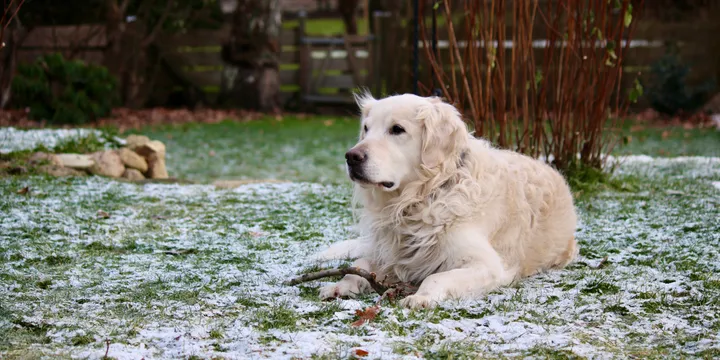
Why Does My Dog Still Smell Bad After a Bath? (7 Real Causes, Ranked)
Luna smelled like wet sock 2 hours after every bath for a full year. It wasn't the shampoo. Here are the 7 real causes of persistent dog smell, and the one most people miss.
How Often Should You Actually Bathe a Golden Retriever? (By Season, By Vet, By Luna)
Every site says 'every 6-8 weeks' but that's wrong for half the year. Here's the real schedule based on Luna's double coat, our vet's advice, and 7 years of testing.