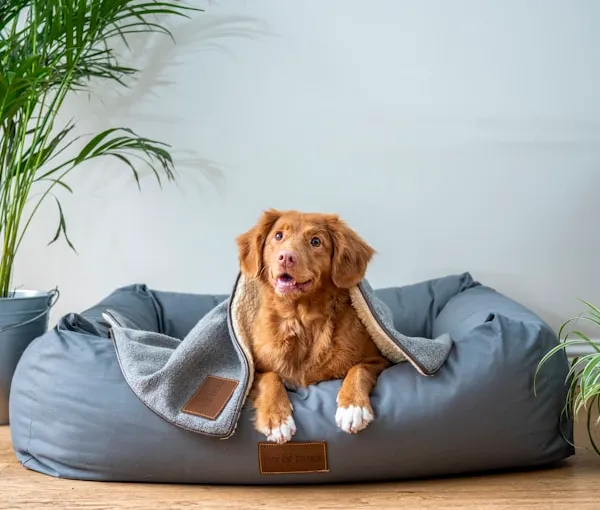
FURminator vs Undercoat Rake: Which One Actually Stops the Shedding?
Both promise to end shedding. Both cost about the same. I tested both on Rex and Luna for 6 months. Here's which one actually works, and why most people pick wrong.

You walk into Petco. Two tools claim to “stop shedding 90%.” Both cost $25-35. One has plastic teeth that look like a comb. The other has a metal blade.
Which one actually works?
I’ve used both on Rex (German Shepherd, sheds enough fur to build a second dog) and Luna (Golden Retriever, somehow worse) for over a year.
The answer: they’re not the same tool. They do different jobs.
The 30-second verdict
Undercoat rake: breaks up the dense undercoat layer. Use first, more often, on double-coated breeds.
FURminator-style deshedding tool: removes loose surface hair after the rake has done its work. Use less often, more carefully.
Best practice: own both. Use the rake first, FURminator second. Together they remove 80%+ of dead coat. Either alone is half the job.
What each tool actually does
Undercoat rake
Long metal teeth, widely spaced, designed to penetrate through the topcoat into the dense undercoat layer where most shedding originates.
Mechanism: pulls dead undercoat hair out without cutting. Similar to combing.
Risk to dog: low. As long as you don’t dig hard into the skin, dogs find this comfortable.
Best for: Golden Retrievers, German Shepherds, Huskies, Akitas, Newfoundlands, Border Collies. Any breed with a dense undercoat.
FURminator (deshedding tool)
Short metal blade with tiny teeth, similar to a horse currycomb but finer. Designed to grab loose surface hair from the topcoat.
Mechanism: a small blade cuts and captures loose hair as you stroke. The cutting action is gentle but real.
Risk to dog: moderate if overused. Can damage the topcoat with too-frequent use or too-aggressive technique. Don’t use on undercoat directly. It’s designed for surface hair.
Best for: most shedding breeds, but especially short-coated dogs (Labs, Beagles, Boxers).
Head-to-head test
I tested both during peak shedding season on Rex. Same week. Same dog. Different tools.
Day 1: Undercoat rake only. 8-minute session. Pulled out an entire pile of dead undercoat about the size of a small dog. Coat felt dramatically lighter.
Day 2: FURminator only on Luna (no prior rake). 10-minute session. Pulled out a moderate amount, but the densely packed undercoat was still trapping the deeper layer. Coat still felt heavy.
Day 3: Rake + FURminator on Rex. 15-minute session. Massive output, about 1.5x what each tool produced solo. Coat felt completely different. Visible reduction in shedding for the next 5-7 days.
Conclusion: They’re complementary, not competitive. Used together, the result is roughly 40% better than either alone.
When the FURminator wins
- Short-coated dogs (Beagles, Labs, Pit Bulls)
- Dogs with single coats (Poodles get a slicker brush, not either of these)
- Light-shedding breeds where surface hair is the only issue
- You want one tool, not two
When the undercoat rake wins
- Double-coated breeds (Goldens, GSDs, Huskies)
- Heavy shedding seasons
- Dogs whose coat looks “fluffy” and stays that way even after grooming
- You’re new to grooming and want the safer option
When you need both
- Heavy double-coated breeds
- Spring or fall shedding peaks
- Shedding has gotten worse recently
- You’re committed to actually managing the shedding instead of just slowing it
What about brushing alternatives?
Slicker brushes: great for surface mat prevention, not for serious deshedding. A slicker is the daily tool; the rake/FURminator are the weekly heavy lifters.
Rubber grooming mitts: decent for short-coated dogs and bath time. Not effective on double coats.
Pin brushes: good for long, flowing coats (Afghan Hounds, Maltese). Not for shedding management on double coats.
For my full breakdown across 6 brush types, see the deshedding brush review.
The actual technique
This matters more than the tool:
- Brush dry, never wet. Wet hair stretches and breaks.
- Start with the rake. Long, slow strokes with the grain of the coat. 5-8 minutes for a large dog. Stop when you feel the rake gliding without pulling much.
- Switch to the FURminator. Same direction, lighter pressure. Small areas at a time. 5-7 minutes.
- Stop while there’s still some coming out. Don’t go until “nothing comes out”, that means you’ve damaged the coat.
- Bath after. Heavy deshedding sessions before a bath help loosen even more.
Total time: about 15 minutes once a week during shedding season. Worth it.
The bottom line
Buy both. They’re $25-35 each. Together they save you from owning a Roomba you have to empty 4 times a day.
If you can only buy one and have a double-coated breed: undercoat rake. If you can only buy one and have a short-coated breed: FURminator.
Don’t buy a $10 deshedding tool. The blade is dull, it pulls hair, and your dog will hate every session.
Related reading:
- Best deshedding brushes for dogs, full lineup of 6 options
- How often should you bathe a Golden Retriever, pairs with deshedding
- Best brush for German Shepherds
- Best brush for Golden Retrievers
Frequently Asked Questions
The real questions I get from other dog dads.
Is a FURminator or an undercoat rake better for double-coated dogs?
Can the FURminator damage my dog's coat?
How often should I use an undercoat rake?
What's the difference between an undercoat rake and a slicker brush?
Are FURminator alternatives worth the money?
Sunday letter
One honest review. Every Sunday.
Plus the occasional photo of Rex destroying something he wasn't supposed to. About 400 words. Skip a week and I'll understand.
Disclosure: The Dog Dad Guide is a participant in the Amazon Services LLC Associates Program, an affiliate advertising program designed to provide a means for sites to earn advertising fees by advertising and linking to Amazon.com. As an Amazon Associate we earn from qualifying purchases, at no extra cost to you.
More Grooming Guides
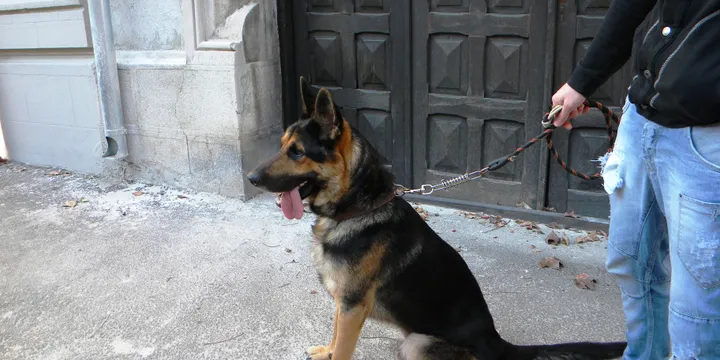
German Shepherd Shedding: How I Actually Cut Rex's Hair Loss by 80% (No Magic Tools, Just System)
German Shepherds shed twice a year. The other 363 days they also shed. After three years with Rex, here's the brushing, bathing, and food system that genuinely controls it.
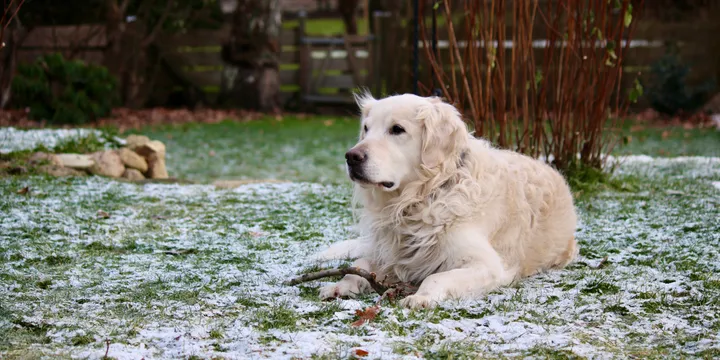
Why Does My Dog Still Smell Bad After a Bath? (7 Real Causes, Ranked)
Luna smelled like wet sock 2 hours after every bath for a full year. It wasn't the shampoo. Here are the 7 real causes of persistent dog smell, and the one most people miss.
How Often Should You Actually Bathe a Golden Retriever? (By Season, By Vet, By Luna)
Every site says 'every 6-8 weeks' but that's wrong for half the year. Here's the real schedule based on Luna's double coat, our vet's advice, and 7 years of testing.