How to Stop a Dog From Destroying Their Bed (Rex-Tested on 11 Different Beds)
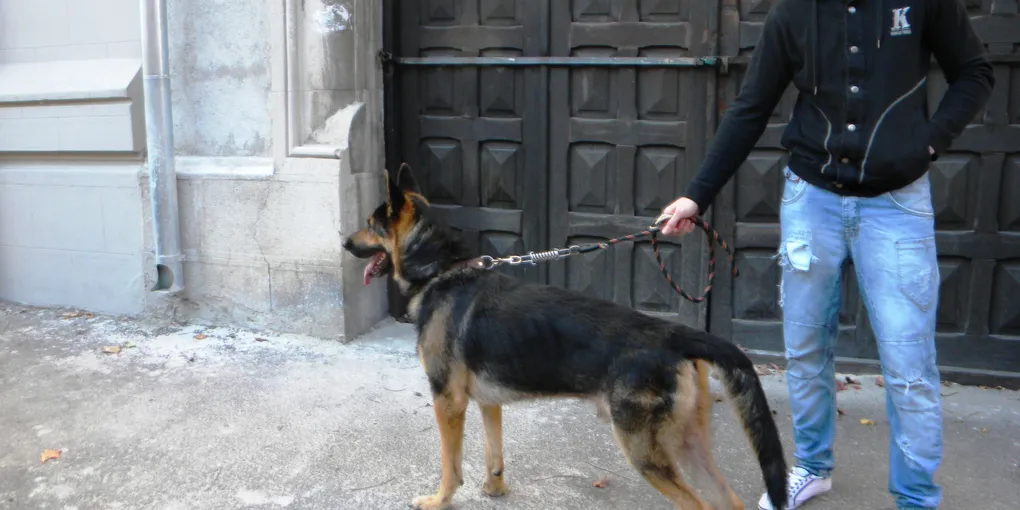
Rex shredded $600 worth of dog beds in 8 months. Here's exactly why dogs destroy beds, the 4 real solutions, and the chew-proof beds that finally survived a German Shepherd.

Here’s the list of beds Rex has destroyed, in order, with approximate time-to-destruction:
- $45 memory foam from Costco. 2 hours
- $80 “heavy duty” orthopedic, 1 week
- $25 basic cushion from the pet store. 47 minutes (personal best)
- $120 name-brand “tough” bed. 3 weeks, gutted
- $35 crate pad, same day, stuffing everywhere
- $90 “indestructible” round bed (not indestructible). 12 days
- $55 flat mat, 1 day, turned into ribbons
- $110 bolster bed, 2 weeks, held out longer than expected
- $40 elevated cot (the first one), chewed the corner off, stuffed the hole back in, somehow kept using it for another month
- $60 memory foam round, 4 days
- $140 “extra tough”. 10 days
Total: $800 in destroyed beds in 8 months.
Then I figured it out. The last bed we bought, a proper chew-proof one, has now lasted 14 months. It cost $180. It’s still here. It is going to outlive all of us.
If your dog is currently in the middle of doing to your beds what Rex did to mine, this guide is for you.
Did You Know?
A dog's jaw can exert 320-400 PSI of bite force. Roughly 3-5x what a human can produce. The stuffing of a typical dog bed is held together by thin cotton fabric rated for maybe 30 PSI. It's not a fair fight. You're not being targeted; your dog is just physically capable of winning against almost any fabric you put in front of them.
Why your dog destroys beds (the real reasons)
Before we talk beds, let’s talk cause. You can buy the fanciest bed in the world but if the underlying driver is still there, you’re just buying a more expensive chew toy.
1. Teething (under 1 year old)
Puppies and young adolescent dogs chew because their gums hurt and their brain is wired to fix it. This is developmental and passes around 7-8 months for most breeds. For large breeds like GSDs, it can extend to 10-12 months.
What to do: no fancy bed yet. Give them a cheap machine-washable mat, and plenty of appropriate chew toys. Upgrade to a real bed after they’re done teething.
2. Boredom / under-exercise (the #1 cause in adult dogs)
This is what I missed with Rex for 6 months. He wasn’t destroying beds because he was bad. He was destroying beds because a German Shepherd needs about 90-120 minutes of active exercise daily, and I was giving him 30.
Signs it’s boredom:
- Destruction happens when you’re not home or not engaged
- Dog is calm during/after long walks
- Destruction stops if you add exercise
What to do: Minimum 60 minutes of real exercise for most breeds daily. Not leash walks, but actual running, fetch, hiking. Add puzzle feeders for mental fatigue.
3. Anxiety
Some dogs self-soothe by chewing. If your dog destroys the bed specifically when you leave, this is probably the cause.
Signs:
- Destruction patterns correlate with your absence
- Other symptoms of separation anxiety (pacing, whining, accidents)
- Calm with you, chaos without
What to do: See my separation anxiety guide for the full protocol. Short version: gradually increase alone-time tolerance, leave frozen stuffed Kong toys, and consider a covered crate for security.
4. Texture / prey-drive appeal
Fluffy stuffing feels exactly like the insides of a prey animal. Some dogs (Rex included) get a dopamine hit from shredding it, it activates the same circuitry as hunting and killing small animals.
What to do: eliminate access to stuffing. Chew-proof beds with no exposed fluff. No plush toys when unsupervised.
"Rex made direct eye contact with me for 4 straight minutes while methodically disemboweling a $90 orthopedic bed. He was happy. He was peaceful. He was in flow. I had to accept that for him, a bed was not a bed. A bed was a very large, delicious squirrel."
— Rex's Dad
The 4 real solutions (what actually works)
Solution 1: Increase exercise before buying anything
If you skip this step, everything else I suggest will fail. Get a pedometer on your dog for a week and see what they’re actually getting versus what they need for their breed and age. Most destructive-bed dogs are 30-50% under-exercised.
Solution 2: Eliminate daytime access until the habit breaks
This is the single fastest behavioral fix. Put the bed away (in a closet, behind a door) when you can’t supervise. Let them sleep on a simple washable mat or crate pad during the transition. Only bring the bed out when you’re in the room for at least 3 weeks straight.
Why this works: the chewing is self-reinforcing. Every destroyed bed taught Rex that chewing beds is rewarding. Breaking that cycle requires temporarily removing the opportunity.
Solution 3: Get a real chew-proof bed
Once you’ve addressed exercise and broken the habit, you can reintroduce a bed that’s designed to survive destructive chewing. The features that matter:
- Ballistic nylon (1680 denier or higher). Same material used in military gear
- Raised frame (no stuffing exposed). Elevated dog cots are nearly indestructible
- Reinforced seams. Look for double or triple stitching, not a single row
- No piping around edges, piping is the first thing to get chewed off
- Washable cover. Non-negotiable
My recommendation: look at chew-proof elevated dog cots or ballistic nylon dog beds. See my full chew-proof bed review for the specific ones I’ve tested.
Solution 4: Redirect with a designated chew item
Once the bed is in place, put a high-value, long-lasting chew toy right next to it. Every time they go to the bed, the chew toy is there. You’re teaching them: “this location = chew this specific thing, not the bed.”
Good options:
- Rubber stuffable chew toys (fill with frozen peanut butter. Lasts 30-60 minutes)
- Benebone nylon chews, actually flavored through the material, last months
- Tough rubber fetch toys. Heavy and satisfying
Avoid:
- Rawhide (choking hazard, digestive issues)
- Cooked bones (splinter)
- Tennis balls (abrasive to teeth)
- Anything with stuffing
The exact bed I ended up with for Rex
Without getting brand-specific (stock rotates), the bed that finally survived Rex has these features:
- Ballistic nylon cover, 1680D
- Raised metal frame (powder-coated steel, not aluminum)
- No stuffing at all, just a taut woven sleeping surface
- Removable/washable cover
You can find similar beds in the chew-proof elevated dog bed category. Expect to pay $120-200 for a large-dog size. For a GSD or similar, the XL is non-negotiable.
If your dog prefers cushioned surfaces, layer a washable, tough crate pad on top once the habit has broken. Don’t add the pad until you’re confident the chewing has stopped, otherwise it becomes the new target.
What about orthopedic beds for chewers?
Catch-22. Older dogs and dogs with joint issues genuinely need cushioning. But cushioning = stuffing = chew target.
The compromise:
- Use a raised cot until the chewing stops
- Then layer a memory foam orthopedic mat on top
- If they start re-targeting the new mat, remove it and go back to cot-only
For the full breakdown on orthopedic beds (including which ones survive mild chewers), see my full bed review.
The “I’ve tried everything” checklist
If your dog is still destroying beds after all of the above, run through this:
- Exercise genuinely meets breed/age needs (not just leash walks)
- Mental stimulation daily (puzzle feeders, training reps, sniff walks)
- Designated chew toy always available near the bed
- Ballistic nylon or equivalent chew-proof material
- No exposed stuffing anywhere on the bed
- Bed is the right size (too small = fortification feels like trap)
- Separation anxiety ruled out (or being addressed)
- Vet check for pain (sometimes dogs destroy beds because joint pain makes them uncomfortable lying down)
If you’ve checked all of these and the behavior continues, consult a certified veterinary behaviorist. Persistent destructive behavior in an otherwise healthy adult dog can be a sign of compulsive disorder, which is treatable.
The cost breakdown (honest)
What I spent on Rex specifically:
- 11 destroyed cheap/mid beds: ~$800
- 1 chew-proof elevated cot ($180) + 1 orthopedic mat ($95): $275
- Total saved going forward: every single month I don’t replace a bed = $40-80
If you’re currently in the “throw another bed at the problem” phase, stop. Put the money toward one quality chew-proof bed AND more exercise. It’s cheaper in 90 days.
Related reading:
- Best dog beds: orthopedic and chew-proof: specific models tested
- Indestructible dog toys tested, what to redirect them to
- Dog separation anxiety solutions: if your dog chews only when alone
- Best dog crates for every situation: for when a crate is part of the solution
Frequently Asked Questions
The real questions I get from other dog dads.
Why does my dog keep destroying their bed?
Are chew-proof dog beds actually chew-proof?
Is it cheaper to replace cheap beds or buy one chew-proof bed?
How do I break the habit without punishing?
Should I use a crate instead of a bed?
Sunday letter
One honest review. Every Sunday.
Plus the occasional photo of Rex destroying something he wasn't supposed to. About 400 words. Skip a week and I'll understand.
Disclosure: The Dog Dad Guide is a participant in the Amazon Services LLC Associates Program, an affiliate advertising program designed to provide a means for sites to earn advertising fees by advertising and linking to Amazon.com. As an Amazon Associate we earn from qualifying purchases, at no extra cost to you.
More Beds & Comfort Guides

Memory Foam vs Elevated Cot Dog Bed: Which Is Right for Your Dog?
I've owned both, in multiple sizes, for a year+. Here's the honest comparison: when memory foam wins, when an elevated cot wins, and when you actually need both.

Best Dog Crates in 2026: Heavy-Duty, Travel, Furniture-Style (4 Dogs, 4 Different Crates)
Each of my 4 dogs needed a completely different crate. Rex bent the bars on a cheap one. Milo escaped two. Here's what finally worked for every dog and every situation.
Best Dog Beds in 2026: Orthopedic, Chew-Proof, Cooling (Rex Destroyed 6 Before We Found the Right One)
Rex ate 6 dog beds. Luna claims every couch cushion. Tank needs orthopedic support for his joints. Here are the beds that finally survived and the ones that didn't.